
Golf Wear Etiquette: What to Wear and Why It Sets the Tone
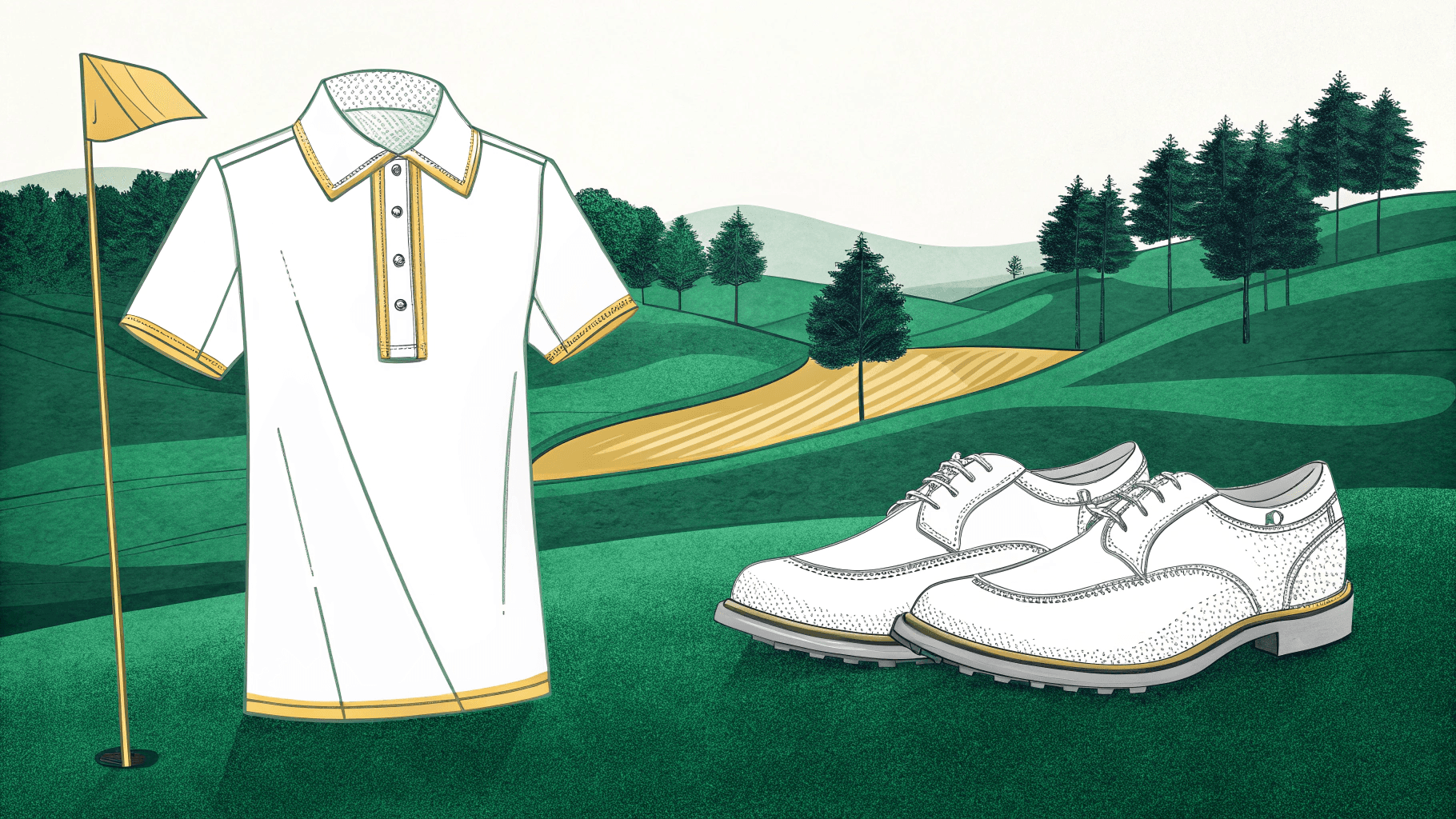
Golf wear etiquette isn't just about looking the part—it signals respect for the game before you take your first swing. You'll typically need a collared polo, tailored bottoms like khakis or golf slacks, and proper golf shoes. Jeans, cargo pants, and sandals are usually met with instant rejection. Whether you're playing a private club or public course, expectations vary, and knowing the details ahead of time keeps you on the right side of the starter's checklist.
Why Golf Courses Still Enforce Dress Codes
Golf courses enforce dress codes because the sport carries a deep sense of history and tradition that players are expected to uphold.
When you follow golf wear etiquette, you're showing respect for the game's integrity and the community around it. Dress codes aren't just about appearances — they create a focused, distraction-free environment where every player feels part of something meaningful.
Understanding the golf dress code also signals to the course that you're prepared and serious about playing. You're not just showing up; you're demonstrating etiquette before you even swing a club. Private clubs enforce stricter standards, while public courses still expect you to avoid jeans and casual wear.
Knowing what to wear to golf outings isn't complicated, but it matters. It preserves the sport's identity, maintains the venue's reputation, and ensures both newcomers and veterans share a consistent, professional experience on the course. In fact, the mental side of golf is so influential that how you carry yourself — including how you dress — can shape your confidence and focus before you ever reach the first tee.
The Head-to-Toe Golf Outfit Breakdown
When you step onto the course, every piece of your outfit serves a purpose — from your hat down to your shoes. Wearing the right gear isn't just about looking polished; it signals you understand the game's culture.
Here's your essential breakdown:
- Head — Wear a forward-facing hat or visor, and remove it once you enter the clubhouse.
- Top — Choose a collared polo that's tucked in, made from breathable, moisture-wicking fabric for comfort and compliance.
- Bottom — Stick to khakis, tailored shorts, or golf slacks that hit above the knee; women can opt for golf dresses or skirts.
Your footwear ties everything together. Golf shoes — spiked or spikeless — protect the course and give you proper traction. Pair them with white socks for a traditional finish. Skip the sneakers and sandals; most courses won't allow them. Just as your attire sets the right tone before a round, so does establishing pre-round mental protocols that prime your focus and prepare you to handle pressure when it matters most.
Men's Golf Dress Code: What You Actually Need to Wear
Whether you're a first-timer or a returning player, men's golf dress codes follow a clear formula: collared polo, tailored bottoms, and proper footwear. Your polo should always stay tucked in, sitting neatly against khakis, golf slacks, or tailored shorts that fall above the knee.
Always wear a belt — it completes the look and signals you've paid attention to the details. Skip jeans, cargo pants, joggers, and anything oversized. Courses won't hesitate to turn you away for those.
On your feet, golf shoes with spiked or spikeless soles are your best bet. Some courses allow tennis shoes, but verify before you arrive. Sandals and running shoes are out.
If you're wearing a hat, keep it forward-facing and remove it when you step inside the clubhouse. Private clubs enforce these rules strictly, while public courses are slightly more relaxed — but the core standards still apply everywhere. Just as dressing the part signals respect for the game, so does arriving mentally prepared — using external attention cues before your round can help you stay focused and composed from the first tee onward.
Women's Golf Dress Code: What Works on the Course
As a woman stepping onto the course, you'll find that collared polo shirts, golf dresses, and appropriately-lengthened skirts form your core wardrobe options, while untucked shirts, t-shirts, and jeans remain off-limits regardless of the venue.
You'll want to pair your outfit with a belt and golf-specific footwear — either spiked or spikeless soles — since sandals, flip-flops, and running shoes won't meet most courses' standards.
For bottoms, you'll stick to khakis, tailored shorts, or golf slacks that sit above the knee, keeping your look polished and compliant with standard dress codes.
Beyond your physical appearance, how you carry yourself on the course is also shaped by mental performance coaching, which helps golfers develop the focus and composure that proper etiquette and presentation are meant to reflect.
Permitted Women's Attire Options
Stepping onto the course as a woman means knowing which attire options keep you comfortable while adhering to golf’s dress code. You've got solid flexibility within the guidelines, so use it wisely.
Your approved options include:
- Collared polo shirts — the foundational piece every golfer needs, fitted and tucked in.
- Golf dresses or skirts — appropriate-length styles that maintain a polished, professional look.
- Khakis, tailored shorts, or golf slacks — bottoms that fall above the knee while keeping movement unrestricted.
Always pair your outfit with a belt and proper golf footwear. Breathable, stretchy fabrics work best, especially in warm conditions. Stick to these choices, and you'll walk any course with confidence and compliance.
Footwear And Bottom Essentials
Every step you take on the course starts from the ground up, so getting your footwear right isn't optional. Wear golf shoes with spiked or spikeless soles—they protect the turf and keep you stable through your swing. Skip sandals, flip-flops, and running shoes entirely; most courses won't allow them.
When in doubt, check the club's spike policy before arriving.
For bottoms, you've got solid options. Khakis, tailored golf slacks, or fitted shorts work well, as long as shorts sit above the knee.
Golf skirts and skorts are equally acceptable and widely worn.
Whatever you choose, always wear a belt—it completes the look and signals that you're taking the dress code seriously.
Avoid cargo pants, joggers, or denim in any form.
How Course Type Affects the Dress Code
Whether you're playing at a private club or a public course, the dress code you'll need to follow can vary significantly. Knowing where you're playing helps you prepare properly and avoid being turned away at the gate.
Here's how course type shapes what you wear:
- Private clubs enforce the strictest standards — collared shirts, tailored bottoms, and approved footwear are non-negotiable.
- Public courses allow more flexibility, but you'll still need to skip jeans, cargo pants, and casual trainers.
- Prestigious or tournament courses** uphold additional rules around colours, patterns, and logos, so confirm details beforehand.
Regardless of where you tee off, basic golf attire expectations remain consistent. You'll always want a proper polo, appropriate bottoms, and golf shoes.
Checking a course's specific dress code before arriving isn't optional — it's part of respecting the game and the venue you're visiting. Just as golfers benefit from reducing cognitive load in golf to sharpen their focus on the course, keeping your attire decisions simple and prepared in advance frees your mind for the round ahead.
Dressing for the Weather Without Breaking the Rules
Golf dress codes don't disappear when the temperature drops or the sun beats down — they adapt. You still need to dress appropriately; you just adjust your layers and fabrics to match the conditions.
In hot weather, reach for breathable, moisture-wicking polos and flexible shorts. Light colours help reflect heat, and deep-pocketed shorts keep your tees and divot tools handy without sacrificing style.
When it's cold, layer smartly. A fitted thermal base, a half-zip pullover, or a vest worn over your collared shirt keeps you warm without violating dress code rules. Avoid bulky, non-golf outerwear that looks out of place on the course.
The key is choosing golf-specific clothing designed for performance in varying climates. These pieces meet dress code standards while handling real weather demands. You don't have to choose between comfort and compliance — the right gear delivers both.
Getting Turned Away: How Courses Enforce Their Dress Codes
Dress codes aren't just suggestions — courses actively enforce them, and showing up in the wrong attire can get you turned away before you reach the first tee. Pro shops and starter staff check your clothing before allowing access to the course. Here's what typically happens when you're non-compliant:
- Staff politely inform you of the violation and offer on-site apparel for purchase.
- You're denied tee time access until you return in proper attire.
- Repeat violations at private clubs can risk your membership standing.
Private courses enforce rules most strictly, often stationing staff at entry points specifically for dress checks. Public courses may be lenient but still reject obvious violations, such as jeans or sandals. Prestigious venues protect their reputation without exception. Checking a course's dress code policy before arriving saves you embarrassment, wasted time, and an unexpected shopping trip to the pro shop.
References
- https://www.riverhillscountryclub.com/membership/essential-golf-etiquette-rules-for-new-player-everyone-should-know-45c97.html?LayoutID=6
- https://www.banditgolfclub.com/contact/news/golf-course-etiquette-for-a-pleasant-game
- https://www.eagleharborgc.com/blog/70-golf-course-etiquette-guide
- https://www.galvingreen.com/blogs/theseriousgolfer/what-to-wear-to-a-golf-course
- https://donaldross.com/blogs/stories/golf-style-etiquette-whats-acceptable-at-private-clubs-today
- https://www.underarmour.com/en-us/t/playbooks/golf/golf-course-etiquette/
- https://www.adidas.com/us/blog/golf-etiquette-rules-on-the-green
Try it free
Ready to organise your mental game?
Capture your swing thoughts, set your focus, and play with clarity.


Related reading
What Are the 3 Categories of Golf Etiquette?
Every act of etiquette falls into one of three categories: care of the course, consideration for others, and pace of play. These three map directly to the core systems of the mental operating system.
Golf Etiquette for Beginners: Everything You Need Before Your First Round
Five practical things will carry you through any course without a second glance. Nobody expects perfection — they expect awareness and effort. Everyone started somewhere.
Cheating at Golf: Why Integrity Is the Ultimate Mental Skill
The temptation to bend the rules spikes when you're already frustrated and mentally drained. Playing honestly under pressure uses the same emotional regulation system that maintains your swing.