
How to Be Mentally Tough in Golf: A Framework, Not a Cliche
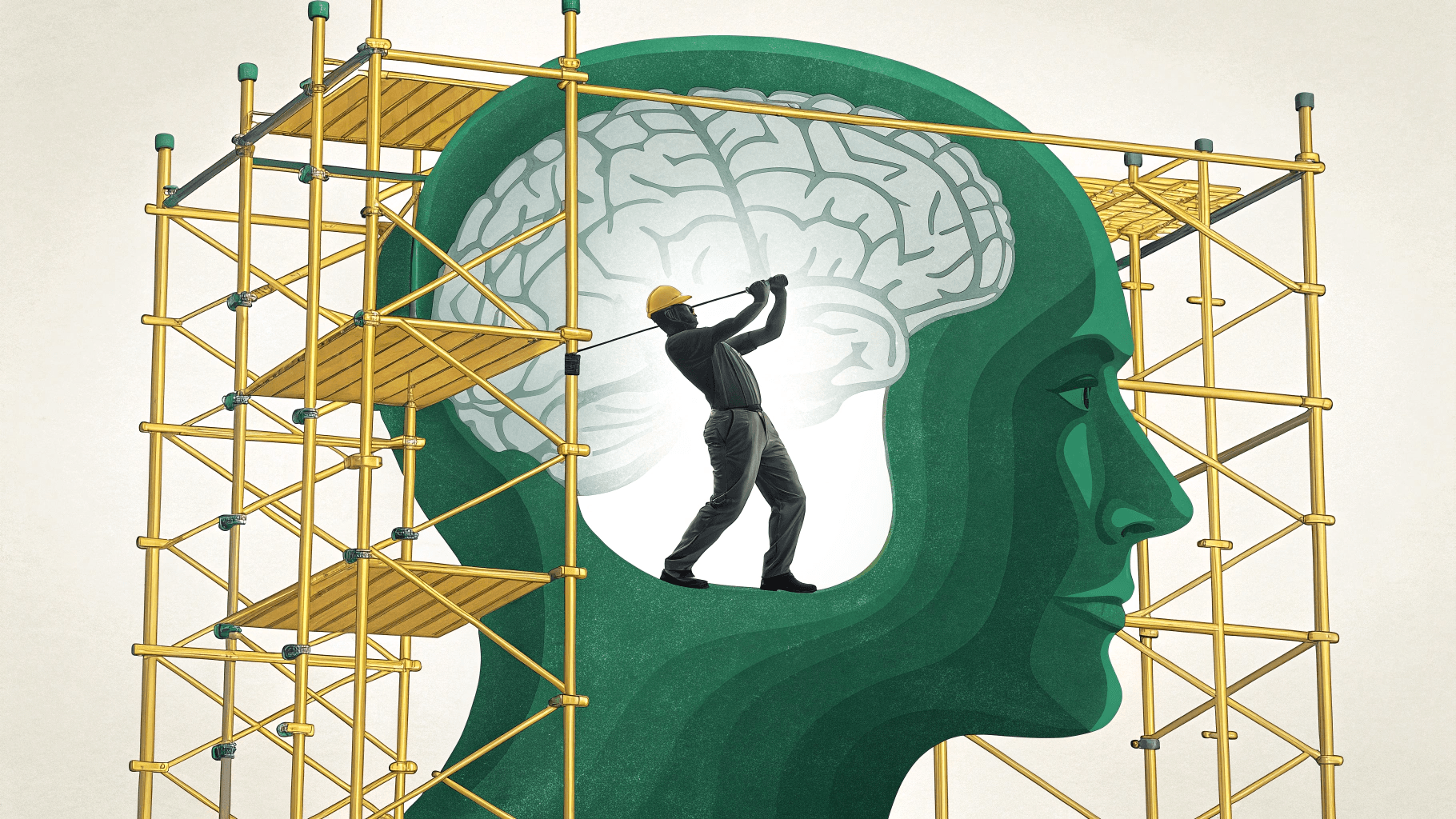
Mental toughness in golf isn't about gritting your teeth — it's a set of trainable skills that shape how you think, feel, and respond under pressure. You can learn to manage your emotions, maintain focus, and bounce back faster from bad shots. It starts with consistent routines, intentional self-talk, and keeping your attention on what you can actually control. Stick around, and you'll discover exactly how to build every piece of that framework.
What Mental Toughness in Golf Actually Means
Mental toughness in golf isn't about gritting your teeth and powering through bad shots—it's a collection of skills that shape how you think, feel, and respond under pressure. Knowing how to be mentally tough in golf means managing emotions, staying focused, and bouncing back quickly when things go wrong.
The mental toughness golf professionals demonstrate isn't an innate trait you either have or don't. It's trainable. You build it through consistent routines, intentional self-talk, and learning to shift your attention toward what you can control.
Being mentally strong in golf means you're not fighting the course or your emotions—you're working with them. Research shows that using external attention cues during high-pressure moments can redirect focus away from mechanics and toward the target, reducing the chance of overthinking your swing. Every competitive round tests your psychology as much as your swing, and that's exactly where these skills pay off.
Why Your Brain Sabotages You Under Pressure
Your brain isn't working against you on purpose—it's doing exactly what it evolved to do. Under pressure, your amygdala detects threat and triggers fight-or-flight mode. That's great for escaping predators. It's terrible for a delicate 6-foot putt.
When Automatic Negative Thoughts flood your mind—"don't miss this," "you always choke here"—your body responds with real physiological changes: tightened muscles, shallow breathing, racing heart. Your fine motor skills deteriorate. Your swing suffers.
Here's what makes it worse: you don't notice it happening until it's already done damage. The negativity creeps in quietly, eroding your confidence shot by shot.
The damage is done before you even realise it's happening—confidence slipping away, one quiet thought at a time.
Understanding this pattern is the first step. You can't fight your brain's wiring, but you can learn to redirect it before it costs you strokes. One proven method is pressure inoculation training, which deliberately exposes you to high-stress scenarios during practice. Hence, spiralling your nervous system helps it learn to perform under competitive conditions before tournament day arrives.
How Tour Pros Build Mental Toughness on the Course
Tour pros don't just play golf better than you—they've trained their minds to recover faster, execute more consistently, and stay focused on what they can control.
When a bad shot happens, they use a 60-second emotional recovery protocol to reset and prevent one mistake from turning into many.
They've also mastered pre-shot routines and a process-over-score mindset that keeps them grounded in execution rather than scoreboard anxiety. Elite players also rely on cognitive reframing techniques to interpret poor shots as neutral data rather than personal failures, thereby preventing the emotional damage from compounding.
Emotional Recovery Protocols
When a shot goes sideways, how you respond in the next 60 seconds determines whether one bad hole turns into three. Tour pros don't suppress frustration—they process it fast and move forward.
Here's how the protocol works:
- Accept it. Acknowledge the bad shot without judgment. Fighting reality wastes energy.
- Release it. Take a slow breath, shake it off physically, or use a trigger word. Give yourself 10 seconds.
- Reset it. Shift your focus entirely to the next shot. Your pre-shot routine becomes your anchor.
Automatic Negative Thoughts hijack your nervous system if you let them linger.
The goal isn't to feel nothing—it's to recover quickly. Emotional control isn't suppression. It's deliberate redirection.
Pre-Shot Routine Mastery
Here's why it works: routine creates certainty. When pressure spikes, uncertainty amplifies tension. A locked-in pre-shot sequence eliminates that uncertainty before it derails you.
Build yours around three elements:
- Visualisation – See the shot's shape and landing zone clearly.
- External focus – Fix your attention on a target, not your mechanics.
- Commitment – Once you've decided, execute without hesitation.
Tour pros don't wing this. They rehearse it until it's automatic. You should too.
Process Over Score Mindset
Score anxiety creeps in fast—one bogey becomes two, and suddenly you're playing the leaderboard instead of the shot. That mental shift kills rounds faster than any technical flaw.
LPGA champion Suzann Pettersen combats this by staying completely immersed in the process during critical moments. She's not calculating what score she needs—she's executing her routine.
Try this: rate your round by how consistently you followed your pre-shot routine, not by your scorecard. That single shift redirects your focus toward what you can actually control.
Process goals keep you anchored to present actions—your setup, your breath, your target. Outcomes are uncontrollable. Routines aren't. When you prioritise execution over score, anxiety shrinks, rhythm improves, and your scorecard typically takes care of itself.
The Six Mental Skills Every Tough Golfer Develops
Mental toughness in golf isn't one single skill—it's a combination of six interconnected abilities that separate elite players from the rest. You need focus control to lock in on each shot without distraction. You need emotional regulation to stay calm after a bad hole.
You need confidence to commit fully when the pressure rises. You need resilience to bounce back quickly rather than disintegrate. You need positive self-talk to replace destructive thoughts with constructive ones.
And you need a process orientation to value execution over scorecards. None of these skills works alone. They reinforce each other, building a mental framework that holds up across four hours of unpredictable conditions. Unlike swing coaching, which targets mechanics, mental performance coaching develops the psychological skills that determine how you respond when mechanics alone aren't enough.
Develop all six, and you'll compete with a level of consistency most golfers never reach.
Control Your Focus Before the Club Goes Back
Before you take the club back, your mind needs a clear target — not swing mechanics, not the scoreboard. A consistent 30-second pre-shot routine anchors your focus and cuts through anxiety before it takes hold.
Limiting yourself to a single swing thought reduces cognitive load and prevents mental clutter from disrupting your swing.
Train your attention on external targets like the ball's flight path, and you'll naturally release tension and hit more accurate shots.
The Pre-Shot Routine
Every great shot begins long before the club goes back—it starts with a focused, repeatable pre-shot routine. Think of it as a mental anchor, a reliable sequence that signals your brain to shift from distraction to execution.
Keep it simple and consistent. Take about 30 seconds to assess your target, visualise the shot's trajectory, and commit fully to your club selection. Once you've decided, don't second-guess yourself—doubt destroys execution.
Your routine also controls tension. When you focus on an external target rather than mechanical swing thoughts, your muscles stay loose and your swing flows naturally. Over time, this consistency becomes automatic, reducing pre-shot anxiety considerably. You're not just building a habit—you're building a mental framework that holds up when pressure rises.
External Focus Wins
Where you direct your attention in the moments before your swing determines everything. Internal focus—thinking about your grip, your backswing, your elbow—creates tension and disrupts natural movement. External focus works better.
Instead of monitoring body mechanics, lock onto a specific target. Pick a blade of grass, a spot on the fairway, or a dimple on the ball. Then watch your ball flight after contact.
This outward attention keeps your nervous system calm and lets your trained muscles do what they've practiced.
Research consistently shows that athletes perform better when they focus beyond their body rather than on it. Your swing is already in there. Trust it.
Point your attention outward, and you'll stop getting in your own way.
Manage Your Emotions Before They Wreck Your Scorecard
Golf is an emotional game, and if you don't manage your feelings, they'll manage your scorecard for you.
One bad shot triggers frustration. Frustration triggers Automatic Negative Thoughts. Those thoughts activate fight-or-flight mode, and suddenly you're three holes deeper into a collapse you didn't see coming.
Exceptional golfers don't suppress emotions—they control their response to them.
Exceptional golfers don't fight their emotions—they choose how to respond to them. That choice is everything.
That distinction matters. You're allowed to feel annoyed after a poor drive. You're not allowed to carry it into the next shot.
Practice a 60-second emotional recovery protocol.
Take a breath, reset your body language, and redirect your focus toward the next shot's process.
Calm isn't a personality trait reserved for a lucky few—it's a repeatable skill you can train, just like your swing.
Build the Confidence That Holds Up When It Counts
Once you've got your emotions under control, the next variable that separates good rounds from great ones is confidence—not the fragile kind that crumbles after a double bogey, but the kind that holds its shape under pressure.
That kind of confidence isn't accidental. You build it deliberately through:
- Trusting your practice: Confidence on the course starts long before the first tee shot
- Steady body language: How you carry yourself directly influences how you perform
- Quick mistake recovery: Confident golfers don't dwell—they reset and move forward
- Believing you can handle any situation: Not wishful thinking, but trained expectation
When confidence is built this way, it doesn't collapse under pressure—it actually performs because of it.
Focus on Your Routine, Not Your Running Score
Even the most confident golfer can unravel mid-round by obsessing over their score. When you're mentally calculating what you need on the back nine to break 80, you've already lost focus on the shot in front of you.
Process orientation fixes this. Instead of rating your round by score, rate it by how consistently you executed your pre-shot routine. Did you commit fully to each shot? Did you stick to your strategy? Those are the things you actually control.
LPGA champion Suzann Pettersen famously immersed herself in the process during high-pressure moments, blocking out leaderboards entirely. You can do the same. Your routine becomes your anchor—something reliable when everything else feels uncertain.
Chase execution, not numbers, and the numbers tend to follow.
References
- https://www.drpaulmccarthy.com/post/golf-psychology-why-your-mental-game-is-holding-you-back-pro-guide
- https://www.sportspsychologygolf.com/mindset-of-a-mentally-tough-golfer/
- https://www.ussportscamps.com/tips/golf/golf-tip-mental-toughness-training-at-home
- https://ijga.com/2023/06/15/developing-your-mental-golf-game/
- https://www.youtube.com/watch?v=du-8X8xI2p8
- https://www.youtube.com/watch?v=6EstygHZKt8
- https://golfstateofmind.com/important-mental-skill-golfers/
Try it free
Ready to organise your mental game?
Capture your swing thoughts, set your focus, and play with clarity.


Related reading
Aaron Rai's Final Round at the 2026 PGA Championship
Aaron Rai won the 2026 PGA Championship with two layers of mental architecture working together: Sunday leaderboard discipline and a structural identity built over decades.
Cognitive Load in Golf: How Amateurs Can Think Less and Play Better
Carrying three swing thoughts to the ball is one of the most common amateur mistakes. This is how to filter inputs, protect working memory, and swing with one clear thought.
What the 2026 Masters Taught Us About Pressure, Belief, and the Mental Game of Golf
The 2026 Masters was decided by mental systems, not ball-striking. What McIlroy's evolving targets, Rose's indecision at Amen Corner, Young's Sunday collapse, and Scheffler's bogey-free weekend reveal about building mental architecture that holds under real pressure.