
Rory McIlroy Wins the 2026 Masters With a Number, Not a Mantra — What Changed on Sunday
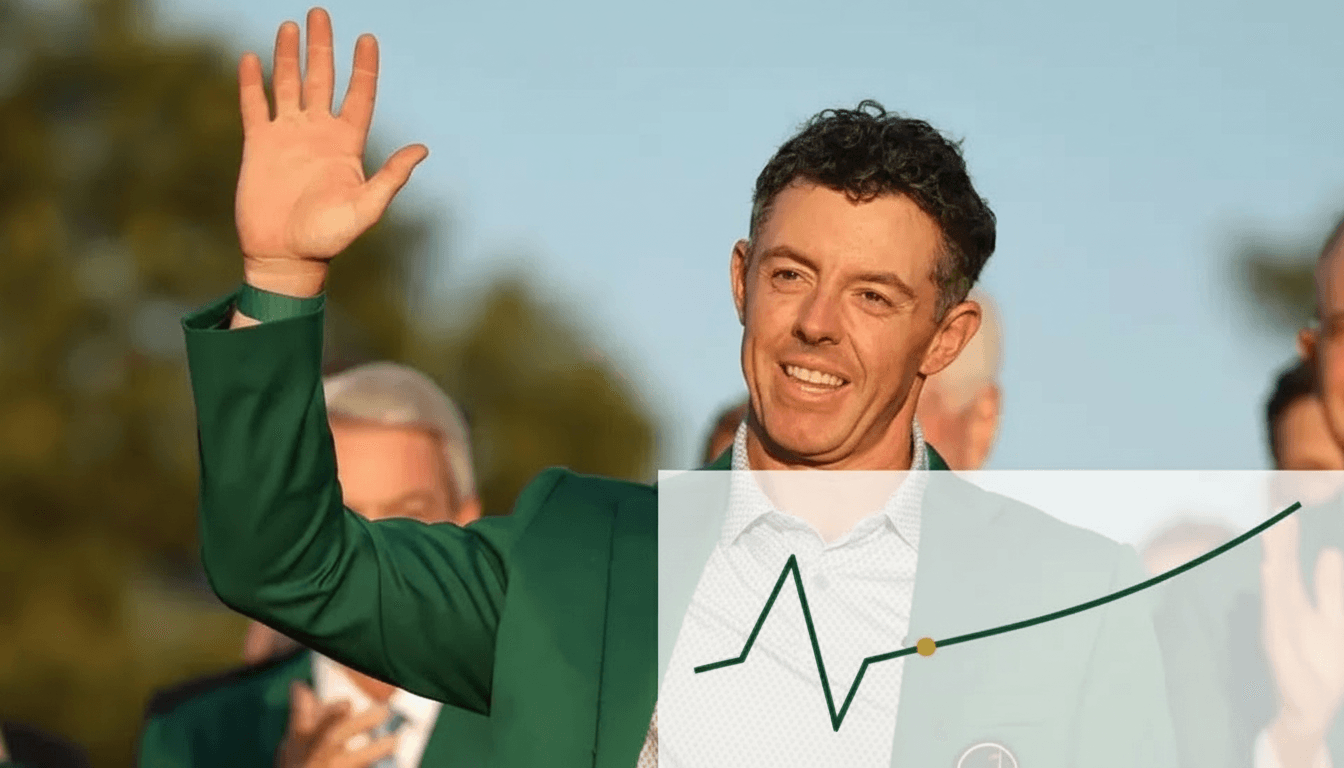
After a double bogey on 4 and a bogey on 6, McIlroy didn't reach for a calming phrase — he reached for a number. He checked the leaderboard at 9-under and set a concrete target: get to 14-under. That measurable instruction replaced emotional static with an executable corridor, and it governed every decision he made on the back nine. That's what changed on Sunday, and there's a lot more to it than a single number.
The Final Test — How McIlroy's Mental System Survived Its Worst Day and Won
If you believe elite performance is built on flawless execution, McIlroy's 2026 Masters Sunday will change your mind — because he won it with a double bogey on his card, a lost lead, and a leaderboard that refused to cooperate.
His mental system didn't prevent failure. It recovered from failure fast enough to produce the shots that mattered.
That's the distinction worth understanding. Resilience isn't about avoiding adversity — it's about absorbing it without collapsing.
McIlroy's Sunday proved that a well-built mental system doesn't need perfection to deliver results. It just needs to hold together when everything else falls apart. One of the most underrated components of that system is first tee management — because how a round begins shapes the psychological architecture a player draws on when everything unravels later.
The Double on 4, the Bogey on 6, and the Reset That Changed Everything
When you're two shots back and leaking, the instinct is to grip tighter and think louder — and that's exactly what destroys most players.
McIlroy did the opposite: he looked at the leaderboard after the bogey on 6, saw 9-under, and gave himself a single concrete instruction — get to 14-under.
That one number didn't just steady him; it replaced the emotional static of a collapsing lead with a measurable target his system could actually execute against.
This is the foundation of thought architecture — the deliberate restructuring of mental inputs so that a golfer replaces reactive emotion with a concrete, executable framework that restores trust in their own game.
"If I Can Get to 14-Under" — Why Concrete Targets Beat Vague Mantras Under Extreme Pressure
Three shots in forty minutes nearly ended Rory McIlroy's defence. A double-bogey at 4, a bogey at 6, and suddenly he's two behind.
But watch what his golf mental resilience actually looks like in practice — it's not vague reassurance.
It's arithmetic. He checked the leaderboard, saw 9-under, and set a concrete target: get to 14-under.
That's active thought golf — replacing "keep swinging" with a measurable corridor.
Your mind stops floating in doubt and starts steering toward something specific.
He reached 13-under, one short, but it was enough. The target governed every decision on the back nine.
This is exactly why mental architecture frameworks outperform generic mantras under pressure — they give your brain a structural anchor rather than an emotional plea when the cascade begins.
Justin Rose and the Cost of Lost Commitment — When Indecision Becomes the Opponent
Justin Rose had the lead on Sunday's front nine, but Amen Corner took it back.
Bogeys at 11 and 12 weren't just dropped shots — Dame Laura Davies identified the root cause: Rose backed off at both holes, doubt creeping in at the worst possible moment.
That's what pre-shot commitment golf punishes.
When you're not fully committed, your body executes a half-decision.
This kind of breakdown mirrors what researchers describe in performance anxiety yips, where incomplete mental commitment disrupts the motor system mid-execution, producing the involuntary hesitation golfers dread most under pressure.
Then came 13.
Instead of resetting after consecutive bogeys, Rose forced an aggressive eagle putt that ran six feet past.
In Rose's Masters story, indecision wasn't a footnote.
It was the opponent that beat him.
Scheffler's Bogey-Free Weekend and What Playing Without Expectation Produces
Scottie Scheffler started the weekend 12 shots back, and he didn't bogey a single hole all weekend.
That's the first bogey-free Masters weekend since 1942.
He didn't fix his swing between rounds — he simply executed without protecting a position.
When you're 12 back, the scoreboard stops being a threat.
That's the golf mental game pressure lesson here.
Scheffler's system ran cleanly because he wasn't attached to an outcome.
You don't need to manufacture that freedom by falling behind.
You access it by genuinely releasing the result before you swing.
The mechanism behind that release isn't a breathing exercise — it's arousal regulation and anchoring built into a repeatable pre-shot system.
Scheffler just showed you what that produces.
What the 2026 Masters Teaches You About Building a Mental System That Survives Real Pressure
Scheffler's bogey-free weekend tells you what a clean mental system looks like when it's running without interference.
But McIlroy's Sunday teaches you what pressure golf actually demands — a system that holds when things go wrong.
When his general mindset cracked at the 6th, he didn't search for calm.
He reached for a number: 14-under.
That number replaced doubt with direction.
Rose had no equivalent anchor, and indecision at Amen Corner cost him the tournament.
Golf confidence under pressure isn't built during good rounds.
It's built before bad ones arrive.
Stress inoculation training builds that anchor systematically by exposing you to controlled pressure before competition ever begins.
Create your anchor now.
You'll need it when it matters.
Conclusion
You just watched the blueprint. McIlroy didn't survive Sunday by staying calm — he survived it by staying calculated. When everything unravelled, he didn't reach for inspiration. He reached for a number. That's the lesson you take with you: pressure doesn't respond to motivation, it responds to structure. Build your system before the moment arrives, because when it does, you won't have time to find one.
Try it free
Ready to organise your mental game?
Capture your swing thoughts, set your focus, and play with clarity.


Related reading
What Happened to Rory McIlroy's Mental Operating System on Saturday at the 2026 Masters
McIlroy's six-shot lead vanished on Saturday at Augusta. What his Amen Corner collapse, Cameron Young's slow-build confidence, and Shane Lowry's post-ace reset reveal about building a mental system that holds when everything goes wrong.
Rory McIlroy's First-Tee Nerves at the 2026 Masters: What His Honesty Reveals About Pressure
Rory McIlroy's hands were shaking on the first tee at Augusta — and he talked about it openly. What the defending champion's honesty reveals about pressure changes how you should think about your own nerves.
Jon Rahm's Strategy for External Noise at the 2026 PGA Championship
Jon Rahm shelved LIV funding news until after his round at the 2026 PGA Championship. The information discipline that protects a Tour pro's competitive state.