
How to Calm Nerves Before a Golf Tournament
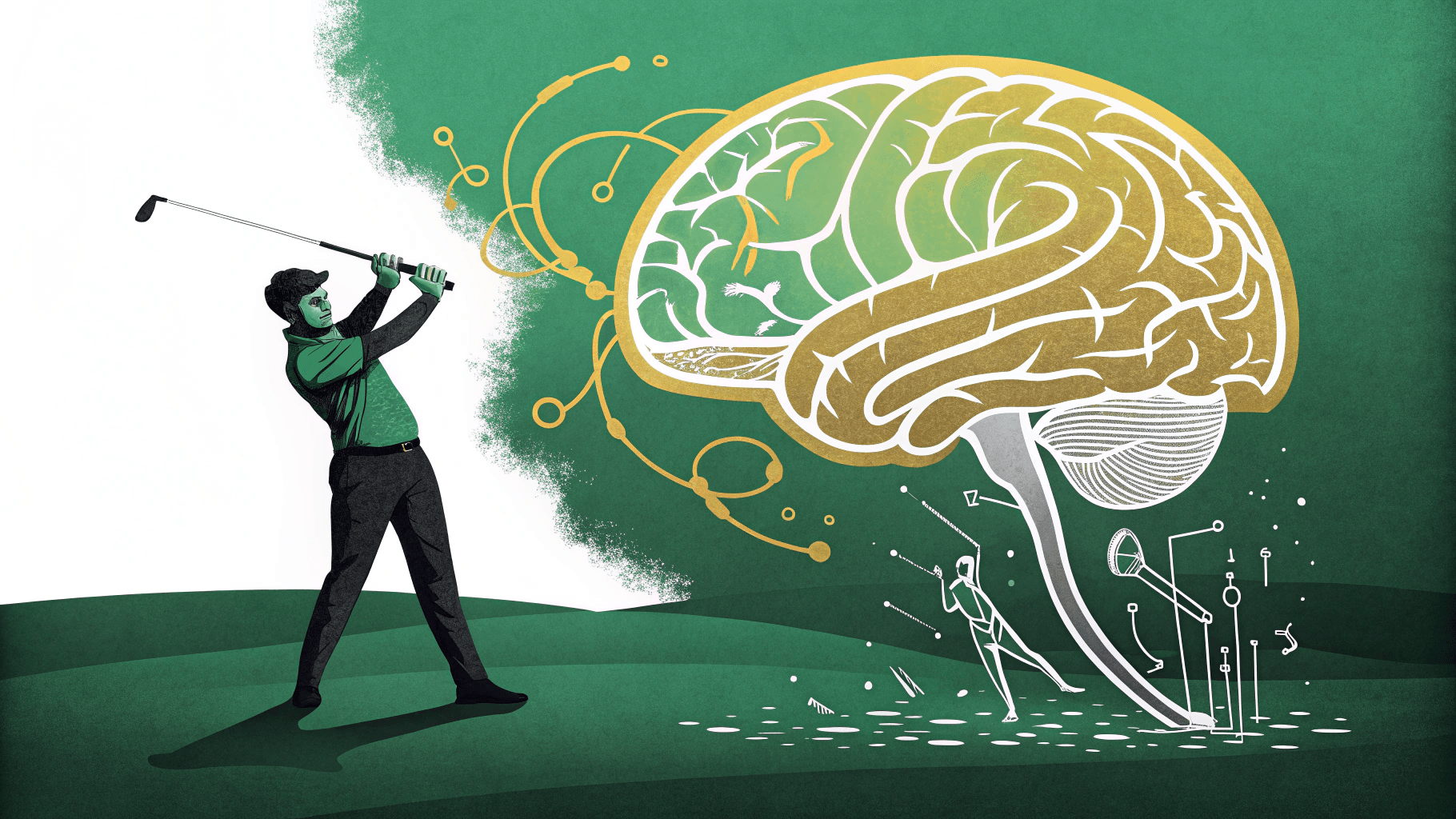
Calming nerves before a golf tournament starts with controlled breathing — inhale slowly through your nose, hold briefly, then exhale through your mouth. Shake out your arms, waggle your club, and run through your pre-shot routine to release tension and stay loose. Reframe the first tee as just one shot among 70-plus, not a defining moment. Pair visualisation with positive self-talk to redirect doubt toward execution. There's much more you can use to your advantage.
Why Golf Nerves Hit Hardest on the First Tee
The first tee is where golf nerves hit their peak, and it's not hard to understand why. Every eye is on you, your playing partners are watching, and there's no easing into it. Pre-tournament nerves build up long before you step onto that tee box, but they explode the moment you realise there's no turning back.
Tournament anxiety blossoms on uncertainty. You don't know how your swing will hold up, whether your short game will cooperate, or if your mind will stay sharp under pressure. That combination of unknowns makes the first tee feel like a high-stakes performance rather than a golf shot. Having a clear set of driver swing thoughts can help quiet the mental noise before you even take the club back.
Knowing how to calm nerves before a golf tournament starts with understanding what's driving them. It's not weakness — it's your body responding to a competitive environment. Once you recognise that, you can start managing those nerves instead of letting them manage you.
Use Breathing Techniques to Calm First Tee Nerves Fast
When first tee nerves strike, your breath is your fastest tool for regaining control. Practice diaphragmatic breathing by expanding your stomach while keeping your chest still, inhaling through your nose, holding briefly, then exhaling slowly through your mouth to activate your body's relaxation response.
For sustained calm throughout your round, use box breathing or simply keep taking deep, controlled breaths whenever tension creeps back in. Incorporating breathwork into your golf warm-up routine can help you arrive on the first tee already in a composed, focused state rather than scrambling to manage nerves at the last moment.
Diaphragmatic Breathing Reduces Anxiety
Diaphragmatic breathing is one of the fastest ways to quiet first-tee nerves before you swing. Unlike shallow chest breathing, this technique pulls air deep into your lungs by expanding your stomach rather than lifting your chest.
Here's how it works: inhale slowly through your nose, letting your belly push outward while your chest stays still. Hold briefly, then exhale slowly through your mouth.
That single cycle activates your body's relaxation response, lowering your heart rate and clearing mental clutter almost immediately.
You can use this between holes, during your pre-shot routine, or right before a difficult tee shot.
Practice it at home so it feels natural under pressure. When tournament nerves hit, controlled breathing gives you a reliable reset button you can access anytime.
Box Breathing Maintains Calm
Box breathing takes diaphragmatic breathing a step further by adding a structured pause that locks in calm between each breath cycle. It's simple to practice anywhere on the course, even mid-round when tension spikes.
Follow these steps:
- Inhale slowly through your nose for four counts
- Hold your breath for four counts
- Exhale fully through your mouth for four counts
Repeating this pattern signals your nervous system to shift out of fight-or-flight mode. You're essentially resetting your body's stress response before stepping into your shot.
Unlike casual deep breathing, the deliberate pause makes box breathing particularly effective at slowing a racing mind. Use it between holes or during slow moments to maintain steady calm throughout your round.
Release Physical Tension the Way Tour Pros Do
Shaking out your arms, rolling your neck, and waggling your club before a shot are simple physical habits that tour pros rely on to stay loose. Before you tee off, take a moment to shake out your limbs and do a few neck rolls. These quick movements release built-up tension that quietly tightens your muscles and stiffens your swing.
Notice how Jason Dufner waggles his club repeatedly before each shot. It's not a quirk—it's a deliberate tension-release habit that keeps his body fluid and his swing rhythm consistent. You can do the same by incorporating a waggle into your pre-shot routine.
Also, make sure your equipment fits properly. Clubs that are too heavy or the wrong length force you to compensate physically, adding unnecessary stress to your swing. When your gear fits right, you can focus on execution instead of fighting your equipment.
Pairing these tension-release habits with a dedicated golf flexibility routine of targeted mobility work can further loosen the muscles you rely on for a full, unrestricted turn.
Build a Pre-Shot Routine That Holds Up Under Pressure
A solid pre-shot routine starts with picking your target and club, taking a deep breath, and giving the shot one or two focused looks before swinging.
Practice your routine so consistently that it becomes automatic, turning it into a subconscious habit that kicks in even when pressure mounts.
When nerves hit, your routine acts as an anchor, clearing negative thoughts and keeping your mind locked on execution rather than outcome. Keeping your focus simple by using one active swing thought helps reduce cognitive load so your body can execute freely under pressure.
Routine Elements That Matter
When nerves hit hardest, your pre-shot routine is the one thing that keeps your game grounded. It blocks out distractions and shifts your focus where it belongs — on execution.
Every element you include should serve a clear purpose.
Here are three routine elements that actually matter:
- Target selection – Pick your club and target before stepping into your stance.
- Breath reset – Take a deep breath to clear mental clutter and release physical tension.
- One or two looks – After setup, give the target one or two focused glances, then commit.
Practice this sequence until it feels automatic. Under pressure, your routine shouldn't require thought — it should simply happen, carrying you through the shot with confidence.
Making Routine Automatic
Building your pre-shot routine into something automatic takes deliberate, consistent repetition on the practice range — not just on the course. Every time you hit balls, run through your full routine as if you're standing on the first tee of a tournament.
Pick your target, take your deep breath, step into your stance, and execute — every single time.
When you practice it this way, your brain stops treating it as a checklist and starts treating it as instinct. Under pressure, you won't have to think about what comes next. Your body already knows.
If you're unsure where to start, work with an instructor to build a routine that suits your game. The goal is making it second nature before competition demands it.
Staying Focused Under Pressure
Even the most rehearsed routine can crack under tournament pressure — but that's exactly what it's built to prevent. When nerves spike, your routine becomes your anchor.
It keeps your mind from spiralling and your body from tightening up at the worst moments.
To stay focused when it matters most:
- Lock onto your target — commit fully before stepping into your shot.
- Take one deep breath — exhale tension before you pull the trigger.
- Use positive self-talk — replace "don't miss this" with "I've hit this shot before."
Pressure will always show up. But if your routine is automatic, you won't need to think — you'll just execute.
Trust what you've practised, and let it carry you through.
How Mental Imagery Sharpens Your Focus When Stakes Are High
Mental imagery sharpens your focus by giving your mind a clear picture of success before you ever take a swing. When stakes are high, your thoughts can spiral toward doubt, but visualization redirects them toward execution.
Before each shot, picture the exact flight path you want the ball to take. See it landing near the flagstick and settling close to your target. That mental rehearsal builds confidence and primes your muscles for the movement you've already imagined.
In your short game, visualise the clubface making clean contact with the ball. Feel the rhythm of the swing before you start it. This mental-physical connection reduces hesitation when pressure peaks.
Pair your imagery with positive self-talk. Replace "don't miss this" with "I can hit this shot." That shift keeps your focus forward rather than fear-driven. The clearer your mental picture, the calmer and sharper your execution becomes. On the greens, combining visualisation with a consistent pre-putt routine gives your mind an external focus cue that replaces anxiety with process.
Reframe the First Tee as Just Another Shot
The first tee can feel like a spotlight, but it's just one shot in a round of many. That mental shift alone can dissolve unnecessary pressure. Instead of treating hole one as defining your entire round, recognise it as one moment among 70-plus shots you'll take that day.
The first tee feels like a spotlight — but it's just one shot in a round of many.
Try these mental reframes before stepping to the tee:
- Pretend you're already on hole three or four, where the initial nerves have settled.
- Treat the first shot like your practice range warm-up, familiar and low-stakes.
- Remind yourself that one shot doesn't define your score, your response to the entire round does.
You control how much weight you give this moment. Breathe, commit to your pre-shot routine, and execute. The crowd, the silence, the pressure — none of it changes how you swing. Keep your focus narrow, and let the rest fade out.
Start Your Preparation Well Before Tournament Day
Reframing the first tee helps in the moment, but your confidence there is only as strong as the work you've put in beforehand.
If you've trained consistently leading up to the tournament, you'll step onto that first tee knowing you're ready.
That knowledge alone quiets nerves significantly.
You don't need to feel fully prepared — you just need to feel prepared enough.
Even solid practice in the weeks prior builds the kind of confidence that holds up under pressure.
Focus your preparation on the areas of your game that typically break down when anxiety spikes, such as the short game and putting.
On the practice range before your round, simulate tournament conditions by playing make-believe games.
Create pressure scenarios and practice executing shots under them.
When you've already faced simulated stress in practice, real tournament pressure feels far more manageable once you're actually standing on that first tee.
References
- https://golf.com/instruction/4-keys-conquer-nerves-course/
- https://bloodline.golf/blogs/top-news/how-to-conquer-your-nerves-on-the-golf-course
- https://collegeofgolf.keiseruniversity.edu/8-methods-for-staying-calm-while-golfing/
- https://www.scga.org/american-golf/shaking-the-jitters-20-tips-to-cure-on-course-nerves/
- https://www.youtube.com/watch?v=hDpv0JoKPdo
- https://www.youtube.com/watch?v=w4dYA614Hw0
Try it free
Ready to organise your mental game?
Capture your swing thoughts, set your focus, and play with clarity.


Related reading
Jon Rahm's Strategy for External Noise at the 2026 PGA Championship
Jon Rahm shelved LIV funding news until after his round at the 2026 PGA Championship. The information discipline that protects a Tour pro's competitive state.
Rory McIlroy's Final Four Holes at Aronimink in the 2026 PGA Championship
Rory McIlroy ended his opening round at Aronimink with four straight bogeys after trying to manually fix his driver. What happens when conscious control replaces trained instinct?
How Nelly Korda Won the 2026 Chevron Championship Without Fixing Her Putting
Nelly Korda won the 2026 Chevron Championship by refusing to fix her putting between rounds. Acceptance, not adjustment, closed out the win.