
Best Online Golf Coaches: How to Choose the Right One
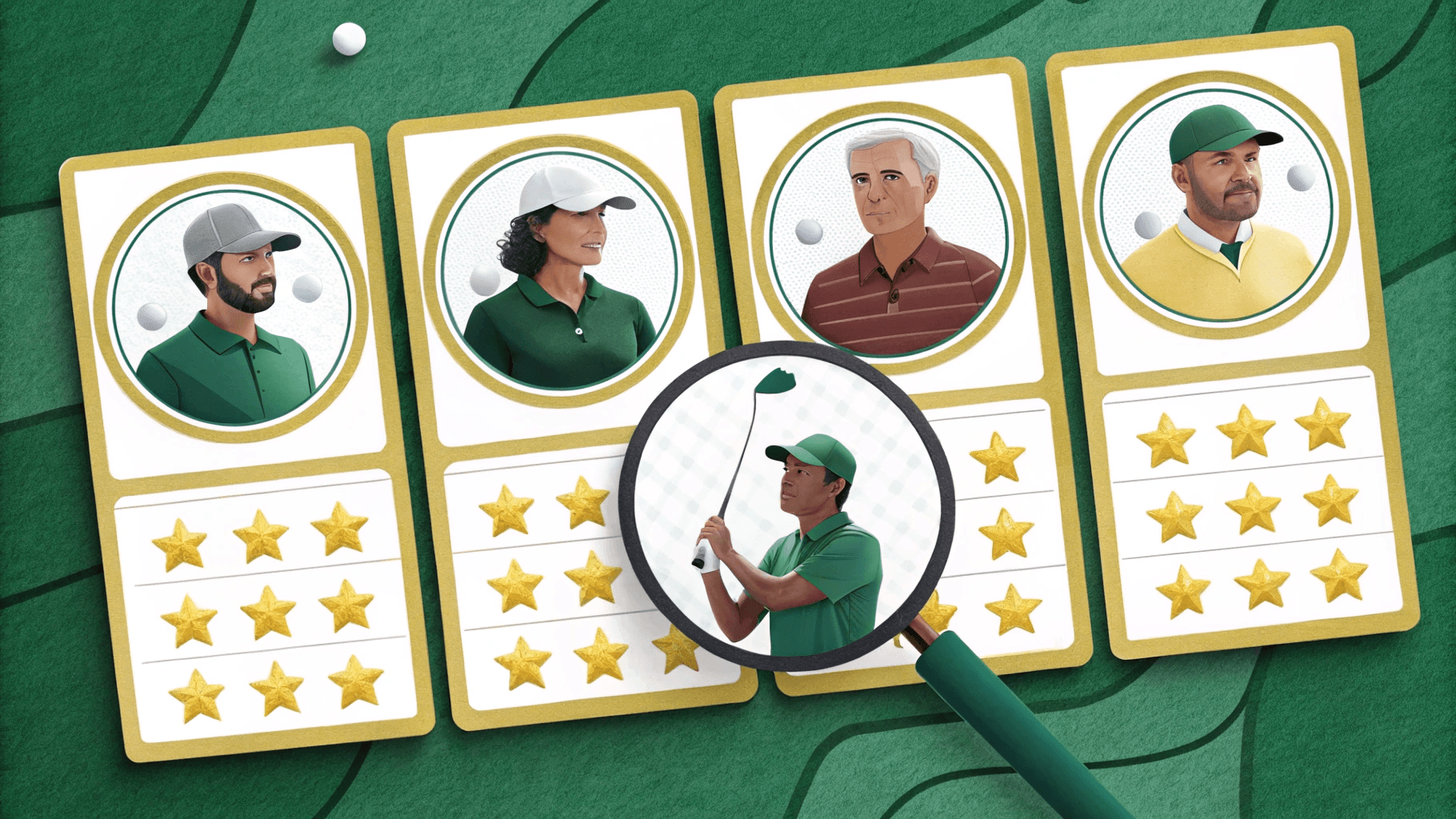
To find the best online golf coach, start with coaching directories and PGA national body websites to compare verified credentials and real student reviews. Look for PGA certification, confirmed experience with your skill level, and clear teaching methods. Watch lesson videos to see if their style matches how you learn. Avoid coaches with vague philosophies or zero reviews. The sections ahead break down exactly what to check before you book.
Where to Find Verified Online Golf Coaches
Finding a verified online golf coach starts with three reliable sources: national governing body directories (PGA, LPGA, or your country's equivalent), dedicated coaching marketplace platforms that verify credentials and display student reviews, and professional networks where coaches share lesson content publicly.
The best online golf coach isn't the one with the most followers — it's the one whose feedback style matches how you actually learn.
When evaluating any directory, look for four things: verified certification from a recognised governing body, confirmed teaching experience at your specific skill level, real student reviews with enough volume to be meaningful, and sample lesson videos that let you assess feedback style before committing.
Some coaches also integrate mental performance frameworks drawn from sports psychology research to help golfers manage focus, pressure, and course decision-making more effectively alongside technical instruction. These coaches tend to produce better long-term results because they're coaching the whole game, not just the swing.
For the best results, cross-reference what you find in directories with the coach's own content — their blog posts, social media, and free lesson clips reveal more about their teaching philosophy than any platform profile.
Which Online Golf Coaches Are Actually Worth Your Money?
Not every online golf coach delivers results worth your investment, so knowing what separates genuine coaches from content creators saves you time and money. The best online coaches build structured programmes targeting specific weaknesses — driving, irons, chipping, putting — rather than offering generic tips that apply equally to everyone.
Look for coaches who provide personalised video feedback on your actual swing, not just pre-recorded lesson libraries. Monthly swing analysis with annotated video and a clear drill prescription for the next practice session is the minimum standard for paid instruction.
When evaluating any coach, prioritise verified student reviews showing consistent improvement patterns, not just occasional praise. Compare ratings, pricing, and lesson samples side by side before committing. Red flags include missing reviews, vague teaching methods, or no confirmed experience at your skill level.
Matching a coach's teaching style to how you learn ensures you're spending money on progress, not just instruction. The best online coaches also recognise that golf's mental component accounts for a significant portion of performance, and will incorporate psychological strategies alongside technical instruction.
Which Credentials Actually Matter When Choosing an Online Golf Coach?
Once you've identified coaches worth your money, knowing which credentials actually back up their expertise helps you make a smarter choice.
PGA certification is the strongest signal—it confirms formal training, tested knowledge, and real experience.
PGA certification isn't just a title—it's proof of real training, tested knowledge, and hands-on experience.
Beyond that, look for coaches who've worked with players at your skill level and can show genuine student success stories.
Other meaningful indicators include a history of teaching in recognised courses, the use of modern technology such as launch monitors, and ongoing education in current teaching methods.
A coach's playing background and active presence in the golf community also reflect credibility.
Don't overlook authored instructional content or consistent social media engagement—these show commitment to the craft.
Some coaches also specialise in mental performance coaching, which addresses the psychological side of the game separately from swing mechanics and technique.
Credentials without results mean little, so pair qualifications with verified student progress before deciding.
How to Find an Online Golf Coach Who Matches Your Learning Style
Before you start browsing coaches, take a moment to identify how you learn best—whether that's through visual demonstrations, technical explanations, hands-on drills, or data-driven feedback.
Once you know your style, evaluate each coach's teaching methods by watching their lesson videos and social media content to see if their approach resonates with you.
You'll also want to assess how a coach communicates, since their patience, clarity, and feedback style need to match your personality for the lessons to stick. Look for a coach who keeps instruction simple and focused, as teaching with a single swing thought helps reduce cognitive overload and makes it easier to retain what you learn on the range.
Identify Your Learning Style
How you absorb and retain information shapes everything about your progress on the course, so identifying your learning style is a critical first step in finding the right online golf coach.
Ask yourself how you've learned best in the past.
Do you prefer watching demonstrations and breaking down movement visually? You're likely a visual learner.
Do you want technical explanations of mechanics and data? You are analytical.
Do you respond better to feel-based cues and physical analogies? You're a kinaesthetic learner.
Knowing this distinction helps you filter coaches quickly.
A data-driven instructor won't connect with someone who learns through feel, and vice versa.
Once you've pinpointed your style, you can match it directly to a coach's teaching approach before spending a dollar.
Evaluate Teaching Methods
With your learning style identified, the next step is evaluating how a coach actually teaches.
Browse their social media profiles and YouTube channels to get a feel for their style before committing.
Look for these three signals:
- Communication clarity — Does their explanation make a complex swing concept feel simple and digestible?
- Feedback balance — Do they mix technical corrections with encouragement, keeping students motivated rather than overwhelmed?
- Teaching tools — Do they use launch monitors, slow-motion video, or data-driven drills that match how you absorb information?
During initial contact, ask directly about their teaching philosophy.
A coach who listens, adjusts their approach, and aligns with your goals isn't just qualified — they're the right fit.
Match Coach Communication Style
Finding a coach whose communication style clicks with yours can mean the difference between breakthroughs and frustration. Some golfers respond best to technical explanations backed by data, while others learn faster through simple analogies or visual demonstrations.
Before committing, browse a coach's social media profiles and recent lesson videos to get a genuine feel for how they teach. Pay attention to their tone, patience, and how they balance encouragement with honest feedback.
During your initial contact, ask directly about their teaching philosophy and methods. Don't assume you'll adapt—you need someone who naturally speaks your language. Whether you're visual, analytical, or hands-on, matching your learning style to your coach's delivery makes every session more productive and keeps you motivated to improve.
Red Flags to Spot Before You Book an Online Golf Coach
Before you book an online golf coach, you'll want to watch for a few warning signs that could cost you time and money.
If an instructor lacks verifiable credentials or has no student reviews, that's a red flag you shouldn't ignore.
You'll also want to confirm that the coach regularly works with players at your skill level, since a mismatch there can lead to frustrating, ineffective lessons.
Research suggests that golf supports psychological wellbeing, so working with an unqualified coach who increases your stress or frustration may undermine one of the game's most valuable benefits.
Missing Credentials Matter
Booking an online golf coach without checking their credentials can cost you time, money, and progress. You deserve a coach who's earned their place on the lesson tee.
Watch for these red flags:
- No PGA certification or verifiable training — A coach without recognised credentials hasn't proven they understand proper instruction methodology.
- Zero student reviews or progress videos — If no one's talking about their results, there's likely nothing worth talking about.
- Vague teaching philosophy — A qualified coach articulates exactly how they'll help you improve, not just that they will.
Credentials aren't just paperwork. They represent a coach's commitment to the craft.
Before you book, verify their background, read real student feedback, and confirm their experience matches your skill level.
Mismatched Skill Levels
Credentials tell you a coach knows how to teach—but they don't guarantee that coach knows how to teach you.
A PGA-certified instructor who specialises in working with competitive scratch golfers may struggle to connect with a beginner still learning the basics of alignment.
That mismatch wastes your time and money.
Before booking, check whether the coach has worked with students at your exact skill level.
Look for before/after videos or testimonials from people with similar handicaps and goals.
A coach who consistently helps beginners break 100 is a better fit than one whose highlight reel only features low-handicappers.
During initial contact, ask directly: "What percentage of your students share my skill level?"
Their answer—and how confidently they give it—tells you everything.
What Your First Online Golf Lesson Should Actually Include
What should your first online golf lesson actually cover? It's more than just hitting balls in front of a camera. A solid first session sets the foundation for everything that follows.
Your coach should walk you through:
- An ability assessment — You'll swing naturally so your coach can identify your current patterns, strengths, and problem areas without assumptions.
- Goal-setting conversation — You'll define what improvement looks like for you, whether that's fixing a slice, lowering your handicap, or building consistency.
- A personalised action plan — You'll leave with specific drills, practice priorities, and clear next steps rather than vague advice.
If your first lesson skips these elements, you're starting without direction.
Expect structure, clarity, and a coach who's genuinely invested in your progress.
How to Hold Your Online Golf Coach Accountable Between Sessions
Paying for online golf lessons doesn't guarantee progress—you have to actively manage the coaching relationship between sessions. Start by documenting your practice with short swing videos and notes about what's clicking and what isn't. Share these between sessions so your coach stays informed rather than starting fresh each time.
Set clear checkpoints. If your coach assigned a drill to use the ground for hip rotation, follow up mid-week with a quick video to check whether you're executing it correctly. That keeps them engaged and keeps you accountable.
Track measurable goals—fairways hit, putts per round, contact consistency—so progress stays visible to both of you. If your coach isn't responding or adjusting based on your feedback, that's a red flag worth addressing directly.
How to Measure Your Golf Improvement Between Online Lessons
Tracking your improvement between online lessons keeps your practice purposeful and gives your coach something concrete to work with. Without measurable data, you're guessing whether you're actually getting better.
Purposeful practice starts with measurable data — without it, you're simply guessing whether you're improving at all.
Use these three methods to monitor your progress clearly:
- Record your rounds – Log fairways hit, greens in regulation, and putts per round using a shot tracking app, but also debrief the mental side: which thought were you using, did your routine hold, and where did your strategy break down? The physical stats show what happened. The debrief shows why.
- Film your swing weekly – Compare side-by-side footage from your first lesson to your most recent session, watching for the specific changes your coach assigned.
- Track practice quality – Note which drills felt natural versus forced, and how many repetitions it took to feel consistent.
These concrete checkpoints make every conversation with your coach more focused and productive.
References
Stay with your players between lessons
ClarityCaddie shows you what your players are working on between sessions — who’s engaged, who needs attention, and what cues they’re using on the course. If you coach golfers and want to see how this works in practice, we’ll send you a short walkthrough of ClarityCaddie.
Get Started
Tell us a little about your coaching and we’ll get you set up.
Related reading
Aaron Rai's Final Round at the 2026 PGA Championship
Aaron Rai won the 2026 PGA Championship with two layers of mental architecture working together: Sunday leaderboard discipline and a structural identity built over decades.
Jon Rahm's Strategy for External Noise at the 2026 PGA Championship
Jon Rahm shelved LIV funding news until after his round at the 2026 PGA Championship. The information discipline that protects a Tour pro's competitive state.
Justin Thomas's Reaction to the Pace Warning at the 2026 PGA Championship
Justin Thomas was warned for slow play at the 2026 PGA Championship, then backed off his next shot to reset. The interruption clause inside a tour player's sequence.