
How to Cure the Yips in Golf: Why Quick Fixes Fail
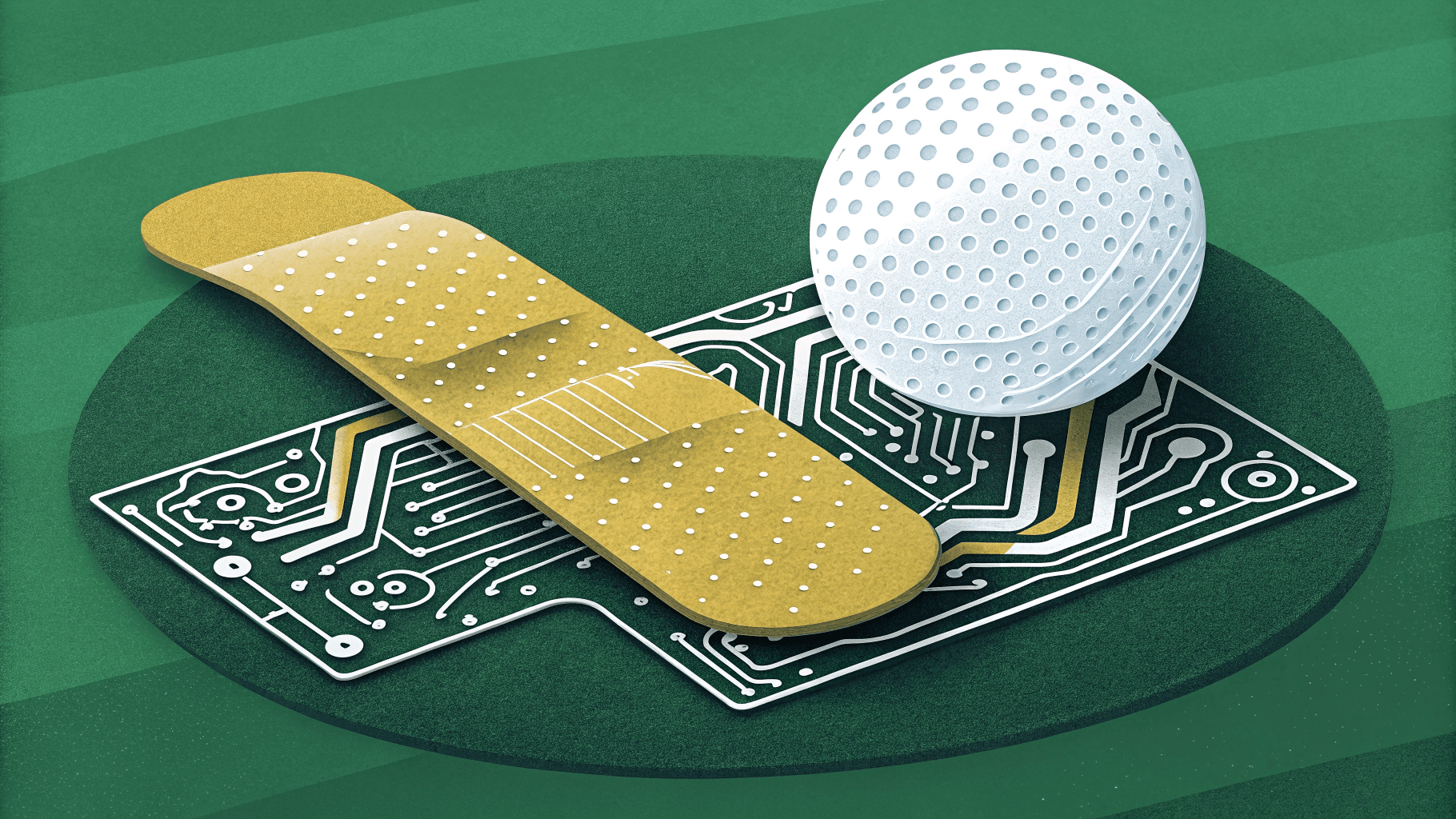
The yips aren't just bad technique, and they won't fix themselves with a new putter or a grip change. They're involuntary muscle responses triggered by fear of missing and mechanical overanalyses — and the harder you try to control them, the worse they get. Quick fixes fail because they don't address the psychological root driving your nervous system into overdrive. Understanding what's actually happening beneath the surface is where real, lasting relief starts.
What the Yips Actually Are (And What They Are Not)
The yips aren't just a mental block or a bad day on the course — they're involuntary muscle twitches that sabotage your swing at the worst possible moments. They can strike your putting, chipping, or driving, turning a confident stroke into an embarrassing flinch.
Curing the yips in golf starts with understanding what you're actually dealing with. The Mayo Clinic links yips to overuse of specific muscles, but there's also a psychological layer — fear of missing, obsession with outcomes, and overanalysing mechanics all feed the problem.
What the yips are not: simple bad technique or a slump you'll naturally shake off. Mistaking them for either one delays any real golf yips cure.
Kevin Na's infamous driving yips showed the world how paralysing this condition gets. To cure golf yips, you need to address both the physical and mental components together — not one without the other. Building a structured practice routine at the range with clear intentions can help retrain muscle memory and reduce anxiety-driven overthinking that worsens the yips.
Why Do Skilled Golfers Get the Yips More Than Beginners?
Skilled golfers get the yips more often than beginners because they've spent years hardwiring specific muscle patterns into their nervous system. When you're a beginner, you don't have deeply grooved expectations — you're just trying to make contact.
But once you've played for years, your brain has locked in precise movement patterns, and any disruption to those patterns feels catastrophic.
That's where the yips take hold. You've played thousands of putts, chips, and drives, so your mind knows exactly what a perfect execution feels like.
The moment you start fearing a bad shot, your brain interferes with the very muscle memory it spent years building. You overthink, you hesitate, and suddenly a motion you've repeated ten thousand times feels completely foreign. This mental interference is compounded by cognitive overload, where juggling multiple swing thoughts during a round overwhelms your working memory and breaks down the automatic movements you've trained for years.
Fear doesn't just shake your confidence — it hijacks the very muscle memory you spent years building.
Beginners don't carry that mental weight. You do — and that accumulated experience, paradoxically, becomes the breeding ground for the yips.
How Tour Pros Like Kevin Na Have Navigated the Yips
If you've ever watched Kevin Na stand over a drive and freeze, you've seen the yips play out on the biggest stage in golf.
Na's well-documented struggles with pulling the trigger off the tee show that even elite players can't simply outskill or outpractice the problem away.
Studying how tour pros navigate the yips publicly gives you a rare, honest look at what actually works and what doesn't under real pressure.
Research shows that a consistent pre-putt routine built around external focus cues can significantly reduce the three-putt mistakes that compound under pressure when the yips take hold.
Kevin Na's Driving Struggles
Among tour pros who've battled the yips, Kevin Na stands out as one of the most visible examples of driving yips at the highest level. You've probably watched him freeze over the ball, unable to pull the trigger on his swing. His pre-shot routine became painfully extended, sometimes lasting minutes as he reset repeatedly before finally committing.
What made Na's case so instructive is that his struggles weren't about swing mechanics. He'd the technical ability to compete at tour level. The problem was mental interference — overanalysing each shot until his mind locked up completely.
Fear of a bad drive consumed him, creating a self-fulfilling cycle. Watching Na reveals something essential: when your mind overrides your natural athleticism, no amount of technical skill saves you.
Navigating Yips Publicly
What separates Kevin Na's story from a cautionary tale and makes it useful is how he kept competing despite his struggles. He didn't hide from the problem or withdraw from tournaments.
He stayed in it, adjusted, and found ways to function under pressure.
That's worth noting if you're dealing with the yips publicly—whether in a club competition or among your regular playing partners.
The temptation is to avoid situations where the yips might surface.
But avoidance only reinforces the fear driving the problem in the first place.
Na's approach shows you can compete while working through it.
You don't need a complete cure before stepping onto the course.
Sometimes, continuing to play without the pressure of perfection is itself part of how you move forward.
Lessons From Tour Pros
Few golfers have dealt with the yips as publicly as Kevin Na, whose pre-shot routine became a spectacle on tour. His driving yips left him unable to pull the trigger, restarting his swing repeatedly before crowds and cameras. Yet he kept competing, adapted his approach, and rebuilt his confidence over time.
What you can take from his experience is this: suppressing the problem doesn't work. Na's struggle worsened when he overanalysed his mechanics and feared the outcome. Progress came through acceptance and adjustment, not avoidance.
Tour pros also remind you that technique alone won't save you. Hank Haney noted that chipping yips often stem from faulty mechanics, but the mental layer matters equally. Fixing both is what separates temporary relief from lasting improvement.
The Real Cause: Why Thinking Too Hard Destroys Your Stroke
When you obsess over the technical details of your stroke, you essentially lock your mind into a loop that makes fluid movement impossible.
Three mental traps accelerate this breakdown:
Three mental traps are silently sabotaging your stroke before you even pull the club back.
- Fear of missing — Anxiety about failure triggers muscle tension, disrupting your natural motion before you even swing.
- Craving perfection — Desperately wanting a great shot floods your brain with competing signals, freezing your body mid-stroke.
- Mechanical overanalysis — Consciously controlling every movement overrides the muscle memory you've already built through years of practice.
Kevin Na's driving yips perfectly illustrate this cycle.
The more he analysed his trigger, the more paralysed he became.
Your brain simply can't process technical instructions and execute athletic movement simultaneously.
PGA Tour pros understand this, which is why swing thoughts under pressure are deliberately minimal or abandoned entirely during execution.
Skilled golfers play their best golf when conscious thinking steps aside.
Quieting your analytical mind isn't a luxury — it's the actual cure your stroke desperately needs.
Why Do Grip Changes and Long Putters Always Fail Under Pressure?
Once you understand that overthinking destroys your stroke, it's tempting to reach for an equipment fix instead. A new putter, a cross-handed grip, or a longer shaft feels like a fresh start. And initially, it works. The novelty temporarily quiets your anxious mind, allowing your body to move more freely.
But pressure exposes everything. When a putt actually matters, your nervous system reverts to its deeply ingrained patterns. The new grip becomes unfamiliar and awkward precisely when you need confidence most. The long putter doesn't eliminate the fear of missing—it just relocates it.
Equipment changes create new neural pathways, but they don't dissolve the psychological tension driving your yips. You're essentially repainting a cracked wall without fixing the foundation.
Until you address the fear of failure and the desperate craving to succeed, no grip change will hold up when the stakes rise. The same principle applies with the driver, where swing thoughts under pressure can either stabilise your mechanics or completely unravel them, depending on whether they address the root mental cause.
The Mental Framework That Stops the Yips for Good
The mental framework that actually stops the yips isn't about suppressing anxiety—it's about changing your relationship with it. Instead of fighting the discomfort, you learn to observe it without reacting.
Three core practices rebuild that relationship:
- Daily breath focus — Spend 10–30 minutes observing your thoughts without engaging them. This trains your mind to notice tension without amplifying it.
- Equanimity under pressure — Release both the fear of missing and the craving for perfection. Neither emotion helps your stroke; both destroy it.
- Paying full attention to the yips — For three rounds, don't try fixing anything. Just observe what happens. Awareness without intervention interrupts the anxiety loop.
Your nervous system responds to how you interpret pressure, not pressure itself. Once you stop treating every missed putt as a catastrophe, the involuntary muscle response loses its trigger. That's where real recovery begins.
Train Your Attention to Rewire Your Yips Response
Your attention is the most powerful weapon you have against the yips, and training it starts with just 10 to 30 minutes of daily breath focus to sharpen your awareness of intrusive thoughts. Instead of fighting every anxious impulse that surfaces on the course, practice observing those thoughts without immediately trying to fix them.
Counterintuitively, you'll accelerate your recovery by fully embracing the fear of missing rather than running from it.
Breath Builds Mental Focus
Breathing mindfully for 10 to 30 minutes daily trains your attention to notice intrusive thoughts without acting on them — and that's precisely what breaks the yips cycle. When fear of missing or craving success hijacks your focus, breath practice provides a reliable anchor.
Here's what consistent practice builds:
- Awareness — You'll notice anxious thoughts before they trigger involuntary muscle responses.
- Equanimity — You'll stop fearing misses and stop desperately craving perfect shots.
- Presence — You'll stay grounded in the moment rather than projecting outcome-based anxiety.
This isn't relaxation therapy — it's neurological rewiring. Each session strengthens your ability to observe mental interference without reacting, so when pressure arrives on the course, you're already trained to respond differently.
Observe Without Fixing
Once breath practice sharpens your awareness, you're ready to use it on the course in a way that feels counterintuitive — stop trying to fix the yips and start observing them instead.
For three full rounds, pay complete attention to exactly what happens when the yips strike. Notice where tension builds in your hands, when your breathing shifts, and what thoughts surface before a bad shot.
Don't correct anything. Just watch.
This approach works because the yips flourish on reactive resistance.
When you stop fighting them and study them instead, you interrupt the anxiety loop that feeds the problem.
You're essentially rewiring your nervous system's response by replacing panic with curiosity.
Observation creates distance between you and the yips, and that distance is where real change begins.
Embrace Fear Freely
Three rounds of pure observation does something powerful to your brain — it proves you can face the yips without flinching. Now, take it further by actively embracing the fear instead of running from it.
Train your attention using these three steps:
- Name the fear — say internally, "I'm afraid of missing," without judgment.
- Breathe into it — take two slow, deep breaths before each shot.
- Release the outcome — affirm that the result genuinely doesn't define you.
This isn't passive acceptance. It's deliberate rewiring. When you stop treating fear as an enemy, its grip loosens. Your nervous system learns that fear doesn't require a flinch response, and gradually, your stroke regains its natural freedom.
Stop Fearing Misses and Chasing the Perfect Shot
Many golfers unknowingly make the yips worse by fixating on perfect shots and dreading misses. When you desperately crave a hole-in-one or fear a bad chip, your mind tightens, and your muscles follow.
That mental grip is often what triggers the involuntary twitch you're trying to eliminate.
The solution isn't forcing better shots—it's developing equanimity toward outcomes. You need to genuinely lose your fear of missing and stop chasing perfection on every stroke.
That doesn't mean playing carelessly; it means releasing the emotional weight attached to each shot.
Start practicing this mindset deliberately. Before each shot, remind yourself that a miss won't define you.
Take deep breaths, walk to the ball calmly, and affirm that the outcome matters less than your process.
Over time, this mental shift reduces the psychological pressure that fuels the yips, allowing your natural swing mechanics to operate without interference.
Practical Drills That Reduce Yips Triggers on the Course
While mindset shifts lay the foundation, you'll also need practical drills that directly interrupt the physical patterns triggering your yips. These aren't quick fixes—they're deliberate techniques that rewire your body's response to pressure.
Mindset shifts lay the foundation—but deliberate drills rewire how your body actually responds when pressure strikes.
Start with these three proven drills:
- Peripheral Vision Drill – Shift your gaze slightly off the ball, using soft focus to reduce the obsessive fixation that tightens your grip and freezes your stroke.
- Constant Flow Motion – Never let your swing fully stop during your pre-shot routine. Keep subtle movement in your hands and arms to prevent the mental "freeze point" that triggers yips.
- Foam Ball Practice – Hitting foam balls increases ground-contact awareness without performance anxiety, helping you rebuild trust in your strike.
Each drill targets a specific yips trigger—visual fixation, motion hesitation, and fear of impact. Practice them consistently, and you'll interrupt the cycle before it controls your game.
Grip Changes and Club Swaps That Break the Yips Cycle
When the yips take hold, your nervous system has essentially memorised a flawed movement pattern, so changing your grip forces your brain to build new neural pathways that interrupt that cycle.
The Mayo Clinic supports this approach, confirming that grip alterations can physically rewire the muscle memory driving your involuntary twitches.
You've got several alternative grip options worth trying—cross-handed, claw, or gripping in your palms rather than your fingers—each one creating enough unfamiliarity to short-circuit the yips response.
Rewiring Neural Pathways
Rewiring your neural pathways is one of the most effective ways to break the yips cycle, and grip changes are a practical starting point. When you alter how you grip the club, your brain builds new movement patterns, interrupting faulty signals and triggering involuntary twitches.
Here's how to begin:
- Switch to a cross-handed grip to redistribute muscle control and reduce dominant-hand tension.
- Grip the club in your palms rather than your fingers for greater stability through impact.
- Grip down on the shaft and stand closer to the ball, converting chips into putt-like strokes.
Each adjustment forces your nervous system to relearn the motion, replacing deeply ingrained yip responses with cleaner, more reliable mechanics under pressure.
Alternative Grip Options
Beyond the mechanics of rewiring, the specific grip and club choices you make can dramatically accelerate your recovery.
Gripping the club differently creates new neural pathways, interrupting the automatic muscle responses that trigger the yips.
Try holding the grip in your palms rather than your fingers, or switch to a cross-handed grip for added stability.
For chipping yips specifically, consider gripping down on the shaft and standing closer to the ball, essentially treating the chip like a putt.
You can also swap high-loft wedges for a pitching wedge or hybrid, reducing the technical demand the shot places on you.
These aren't permanent crutches—they're strategic resets that give your nervous system a chance to rebuild confident, fluid movement patterns.
References
- https://www.youtube.com/watch?v=YPsXjIUTFjg
- https://www.golfisamindgame.com/cure-putting-yips/
- https://www.puttingyips.com/2020/how-to-manage-the-yips-in-golf/
- https://golfstateofmind.com/how-to-cure-the-yips/
- https://collegeofgolf.keiseruniversity.edu/how-to-cure-the-yips-in-golf/
- https://www.youtube.com/watch?v=mfG0eF7jQQg
- https://www.peaksports.com/sports-psychology-blog/six-mental-game-steps-for-beating-the-chipping-yips/
Try it free
Ready to organise your mental game?
Capture your swing thoughts, set your focus, and play with clarity.


Related reading
Jon Rahm's Strategy for External Noise at the 2026 PGA Championship
Jon Rahm shelved LIV funding news until after his round at the 2026 PGA Championship. The information discipline that protects a Tour pro's competitive state.
Rory McIlroy's Final Four Holes at Aronimink in the 2026 PGA Championship
Rory McIlroy ended his opening round at Aronimink with four straight bogeys after trying to manually fix his driver. What happens when conscious control replaces trained instinct?
How Nelly Korda Won the 2026 Chevron Championship Without Fixing Her Putting
Nelly Korda won the 2026 Chevron Championship by refusing to fix her putting between rounds. Acceptance, not adjustment, closed out the win.